Property Management Technology
Property Management: Stop the Chaos, Automate Your Workflows
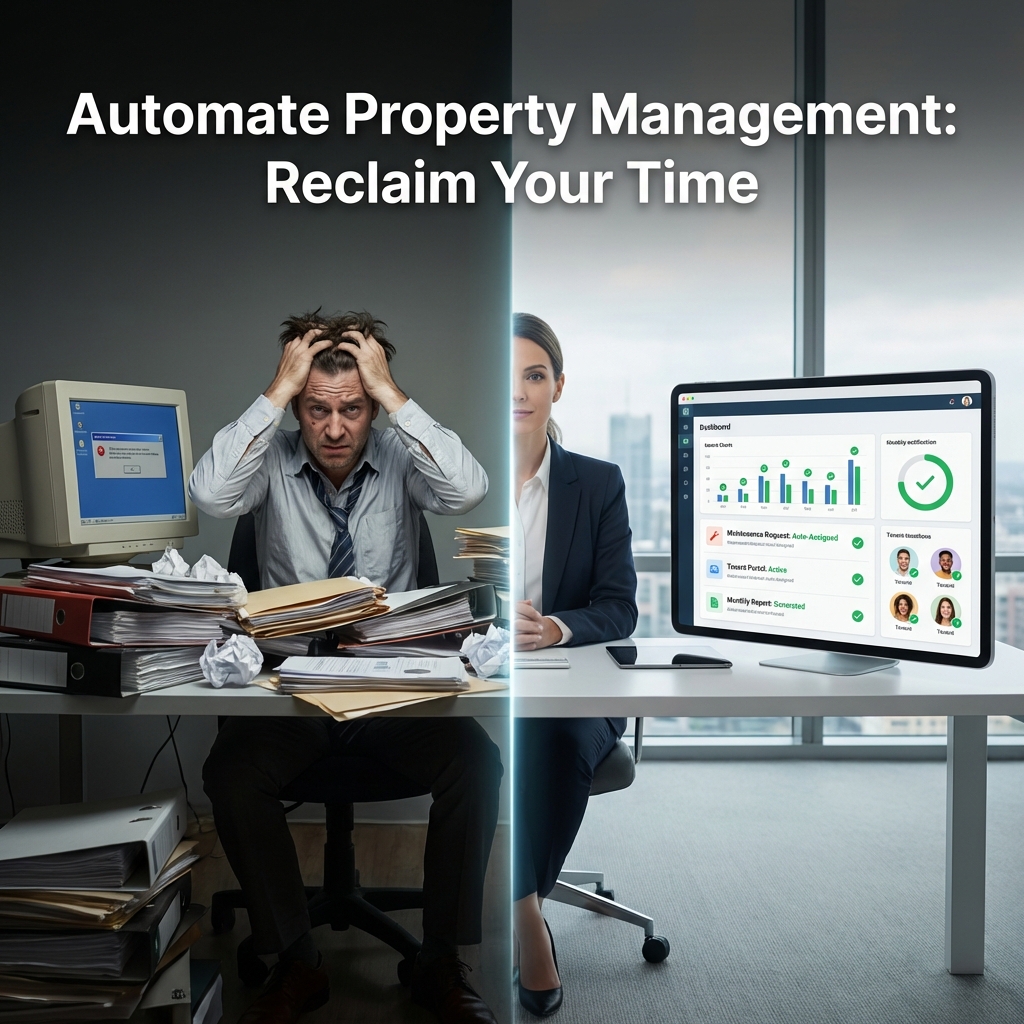
In the fast-paced world of real estate, property management is often synonymous with "chaos." From midnight emergency maintenance calls to the endless cycle of chasing rent payments and managing tenant complaints, many property managers find themselves drowning in operational inefficiencies. The traditional, manual approach to property management is not just exhausting; it is a significant drain on your bottom line.
The good news? You don’t have to sacrifice your personal life or your sanity to run a successful portfolio. By embracing property management automation, you can transform your operations from a reactive, fire-fighting mode into a proactive, scalable engine for growth.
The Hidden Cost of Manual Workflows
Every minute you spend manually drafting emails, tracking maintenance requests on a spreadsheet, or filing paper reports is a minute you aren't spending on high-level strategy or portfolio expansion. Inefficient workflows lead to several critical issues:
- Increased Human Error: Manual data entry inevitably leads to mistakes in accounting and scheduling.
- Slow Response Times: Delayed communication damages tenant retention rates.
- Burnout: Constantly being "on call" leads to professional fatigue and diminished focus.
- Revenue Leakage: Unorganized processes often result in missed late fees, neglected maintenance that turns into costly repairs, and high turnover rates.
Revolutionizing Maintenance Requests Through Automation
Maintenance is perhaps the most significant pain point for any property manager. When a pipe bursts, a tenant doesn't want to leave a voicemail and wait 24 hours for a return call; they want immediate, transparent action. Automation platforms allow you to implement centralized maintenance portals.
With an automated system, tenants can submit requests directly via an app or web portal, including photos of the issue. The system can then automatically:
- Route the request to the appropriate contractor based on pre-set criteria.
- Send automated status updates to the tenant, keeping them in the loop.
- Generate work orders and track completion timelines, ensuring that no request falls through the cracks.
Streamlining Tenant Communication
Effective communication is the cornerstone of tenant retention. However, responding to individual queries about rent balances, lease renewals, or community rules is time-consuming. Automation allows you to create a "frictionless" communication layer.
Automated Messaging and Portals
By utilizing automated email sequences and tenant portals, you can provide 24/7 access to information. Automated notifications for rent reminders, upcoming inspections, and policy changes ensure your tenants are always informed without you having to lift a finger. This level of professionalism not only improves the tenant experience but also significantly reduces the volume of inbound calls and emails to your office.
Data-Driven Insights: The Power of Automated Reporting
If you don't know your numbers, you don't know your business. Manual reporting is often outdated by the time it reaches your desk. Automation tools allow for real-time reporting, giving you instant access to:
- Occupancy and vacancy rates.
- Budget vs. actual expenditure tracking.
- Maintenance cost analysis per property.
- Owner statement generation.
With these insights at your fingertips, you can make informed decisions about rent increases, capital improvements, and when it’s time to acquire new assets.
Case Study: The Impact of Automation
Consider a mid-sized property management firm that recently transitioned from manual systems to a fully integrated automation platform. By automating their rent collection and maintenance triage, they reduced their weekly administrative workload by 15 hours. Furthermore, by implementing automated renewal reminders, their lease renewal rate increased by 12% within the first six months. This shift didn't just save them money on labor; it increased their total revenue through better retention and operational capacity.
Reclaiming Your Time: How to Get Started
Transitioning to an automated workflow doesn't need to happen overnight. Start by auditing your most repetitive tasks. Which processes take up the most time? Which ones are prone to errors? Once you identify these, look for integrated Property Management Systems (PMS) that offer the tools to solve those specific problems.
The Roadmap to Success:
- Centralize your data: Move all tenant and property information into a single cloud-based system.
- Implement a tenant portal: Encourage self-service for payments and maintenance requests.
- Automate communication: Set up triggers for rent reminders and lease renewals.
- Analyze and optimize: Review your automated reports monthly to see where your business is performing well and where further adjustments are needed.
Conclusion: The Future of Property Management
The transition from a manual, chaotic environment to an automated, streamlined operation is the most significant step a property manager can take toward long-term success. Automation is no longer a luxury reserved for large institutional firms; it is an accessible, essential requirement for any business looking to compete in today’s market. By reducing the burden of repetitive tasks, you empower yourself to focus on what really matters: providing exceptional service to your tenants and maximizing the value of your property assets. Stop managing the chaos, and start building the efficient, profitable, and stress-free business you deserve.
- #propertymanagement
- #automation
- #workflow
- #maintenance
- #tenantcommunication
- #reporting
- #realestate