Sales & Technology
Automate, Personalize, and Optimize: The Ultimate Guide to AI-Powered CRM Automation
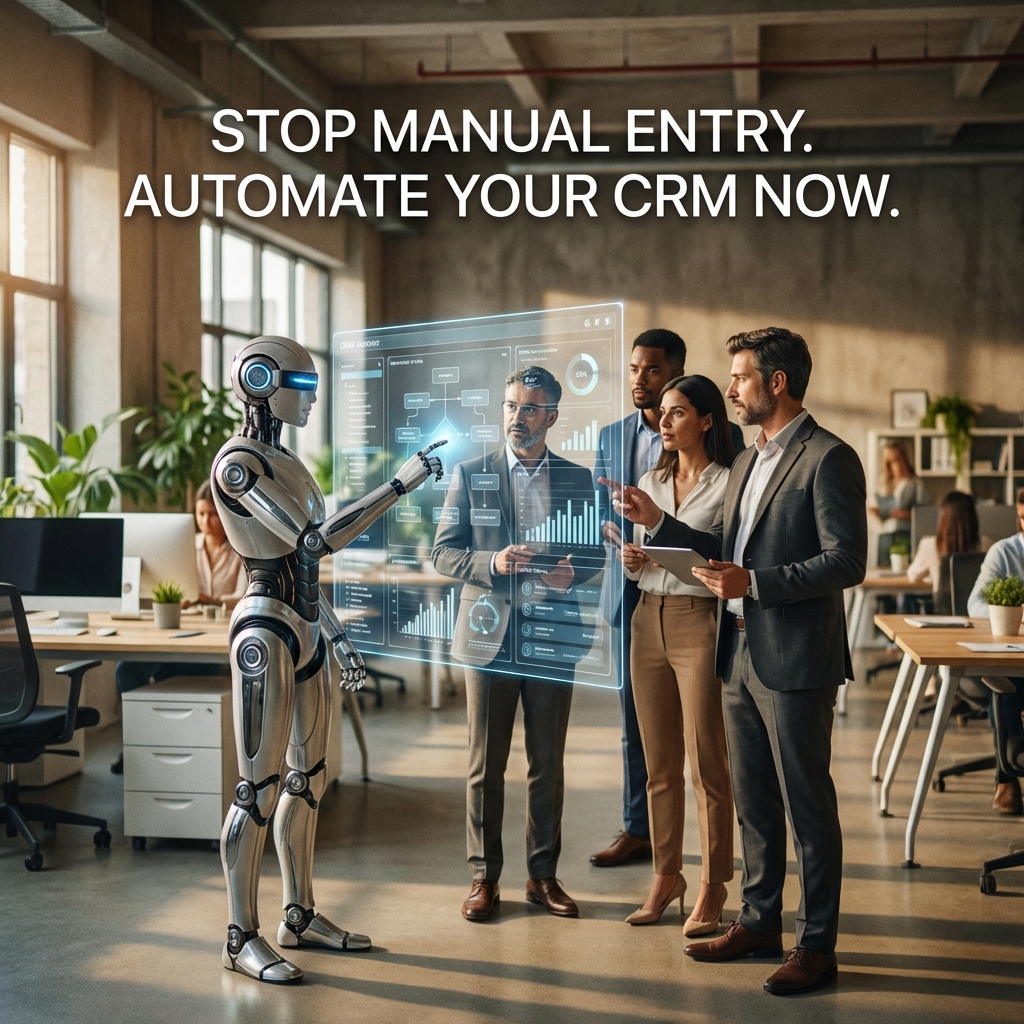
In the modern digital landscape, the difference between a thriving business and one that struggles to keep up often lies in how effectively it manages customer relationships. Your Customer Relationship Management (CRM) system is the heartbeat of your sales and marketing operations. However, if your team is still drowning in manual data entry, fragmented communication, and repetitive administrative tasks, you are leaving revenue on the table.
Artificial Intelligence (AI) has shifted from a futuristic concept to a fundamental necessity. By integrating AI-powered automation into your CRM, you aren't just saving time—you are fundamentally upgrading your ability to connect with prospects, forecast trends, and drive conversions. In this guide, we will explore how you can leverage AI to transform your CRM from a static database into a dynamic, revenue-generating machine.
The Hidden Cost of Manual CRM Management
Every minute your sales representatives spend manually updating contact fields or drafting routine follow-up emails is a minute they aren't spending on high-value activities like negotiation, strategy, and closing deals. Manual workflows are prone to human error, data silos, and, most importantly, delayed response times. In today's "on-demand" economy, speed is a competitive advantage. AI-powered CRM automation acts as a force multiplier, eliminating bottlenecks and ensuring that your data remains accurate, accessible, and actionable 24/7.
Key Pillars of AI-Powered CRM Automation
To truly optimize your CRM, you need to implement automation across three critical functional areas:
1. Intelligent Lead Qualification
Not all leads are created equal. AI can analyze historical data, firmographic details, and behavioral signals to score leads in real-time. By automating lead qualification, your sales team is notified instantly when a high-intent prospect takes a specific action, such as visiting your pricing page or downloading a whitepaper. This ensures your team focuses their energy only on the leads most likely to convert, significantly shortening your sales cycle.
2. Automated Email Sequences and Follow-ups
Personalization is the key to engagement, but scaling it is difficult without AI. Intelligent automation allows you to trigger personalized email sequences based on user behavior. Whether it is an abandoned cart reminder or a tailored follow-up based on the content a user engaged with, AI ensures that your communication is always relevant, timely, and perfectly pitched without requiring a single keystroke from your team.
3. Data Enrichment and Hygiene
Bad data leads to bad decisions. AI tools can automatically scan public records, social media profiles, and company databases to enrich your CRM entries with up-to-date contact information. Furthermore, AI can detect and merge duplicate entries, ensuring that your marketing and sales efforts are based on a "single source of truth."
Personalization at Scale: The AI Advantage
One of the most powerful features of AI in CRM is its ability to deliver hyper-personalized experiences at scale. Predictive analytics allows you to anticipate what a customer needs before they even ask for it. By analyzing past interactions, AI can suggest the next best product or service for a client, customize the content delivered to them in newsletters, and predict the optimal time to reach out via phone or email.
When customers feel that a brand truly understands their needs, loyalty skyrockets. AI enables this level of empathy by providing your team with deep, data-driven insights into customer behavior, allowing for a highly curated experience for every individual in your pipeline.
Best Practices for Implementing AI Automation
Transitioning to an AI-driven CRM requires more than just turning on a switch. Follow these steps to ensure a smooth adoption:
- Audit Your Current Workflows: Identify the most repetitive tasks that consume the most time. These are your primary candidates for automation.
- Clean Your Data: AI is only as good as the data it processes. Ensure your CRM data is accurate before applying automation layers.
- Define Your KPIs: What does success look like? Whether it is increasing your conversion rate by 10% or reducing response time by 50%, set clear goals to measure the impact of your automation.
- Start Small, Scale Fast: Don't try to automate everything at once. Start by automating one aspect, such as lead routing, and expand to more complex workflows once the team is comfortable.
- Continuous Monitoring: AI models need to be reviewed. Regularly monitor your automation performance to ensure that the content and triggers remain effective as market trends evolve.
Conclusion: The Future of Customer Relationships
The goal of implementing AI in your CRM is not to remove the "human touch"—it is to enhance it. By automating the mundane, repetitive tasks, you empower your team to operate at their highest potential, focusing on what humans do best: building authentic relationships and solving complex problems.
As competition increases and customer expectations rise, the businesses that adopt AI-powered CRM automation will be the ones that stay ahead of the curve. By embracing these tools, you are not just optimizing your workflow; you are building a scalable, data-driven foundation for long-term growth. Start your journey today, and see how much more your team can achieve when they have the power of AI in their corner.
- #CRMAI
- #Automation
- #SalesAutomation
- #MarketingAutomation
- #PersonalizedMarketing
- #WorkflowOptimization